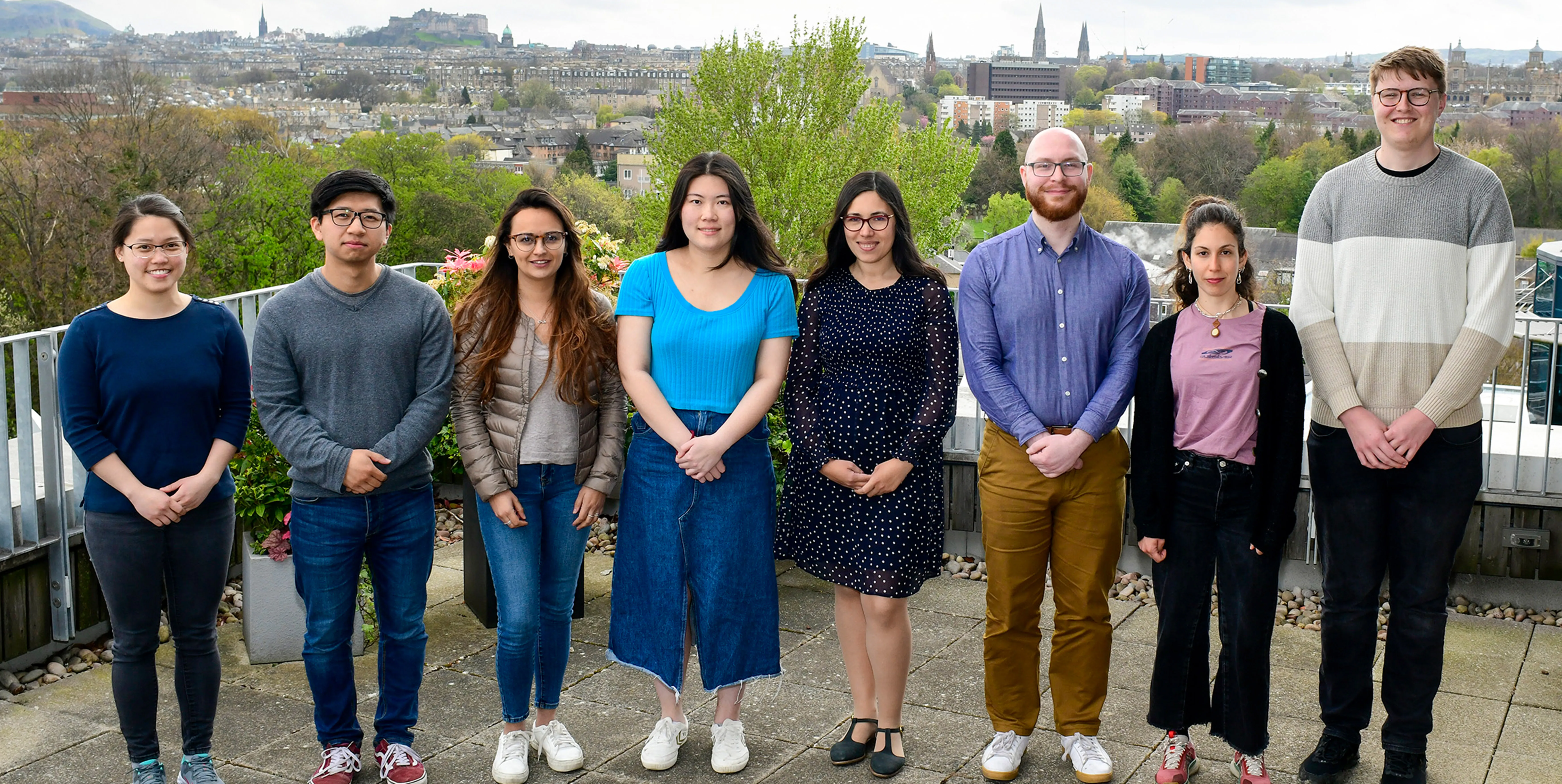
The Biomedical Data Science research group uses a cross-disciplinary approach working at the interface between statistics, machine learning, and biomedicine. The group is led by Dr Catalina Vallejos, based at The University of Edinburgh, as part of the Epidemiology and Clinical Trials Theme witin the Institute of Genetics and Cancer.
Vallejos Group
Latest News
View all news →About us
What we do
Our research focuses on developing and applying robust computational methods to address key challenges in biomedicine. We work closely with a wide range of domain experts to answer questions in aging, disease mechanisms, and population‑scale health. Guided by substantial real-world applications, we design and and apply novel methodology, whilst developing open-source software tools that facilitate broarer adoption and enhance scientific reproducibilty.
Our work spans different types of biomedical data, from molecular (single cell sequencing, DNA methylation) to clinical (electronic health records). Key research areas include:
- Survival analysis methodology:including approaches to incorporate unobserved heterogeneity, competing risks and metrics to quantify predictive performance.
- Dynamic risk prediction:focusing on landmarking as a flexible and scalable approach to dynamically predict event risk based on longitudinal measurements.
- Clinical prediction models:to identify individuals at a high risk of adverse events with applications in the context of emergency hospital admissions and inflammatory bowel disease, among others.
- Bayesian hierarchical models:to quantify multiple sources of technical and biological variability arising in single cell sequencing assays.
Key collaborations
We work closely with colleagues within the University of Edinburgh (Institute of Genetics and Cancer, Usher Institute) and beyond: